
Also known as: offroad motorcycles, enduro bikes, motocross bikes.
Dirtbikes are a type of two-wheeled, motorised vehicle, generally equipped with a gasoline-powered internal combustion engine and built for riding in rough, unpaved terrain such as fields and meadows, forests, or deserts. Initially customised street motorcycles modified for racing in grassy fields, motorcycle manufacturers soon started producing dedicated off-road bikes. While some professions, such as park rangers, may use dirtbikes for work, they're predominantly used for motorsports or leisure riding. The most popular forms of dirtbike-based motorsports are Motocross, Supercross, Enduro, Supermoto, and Hare Scrambles.
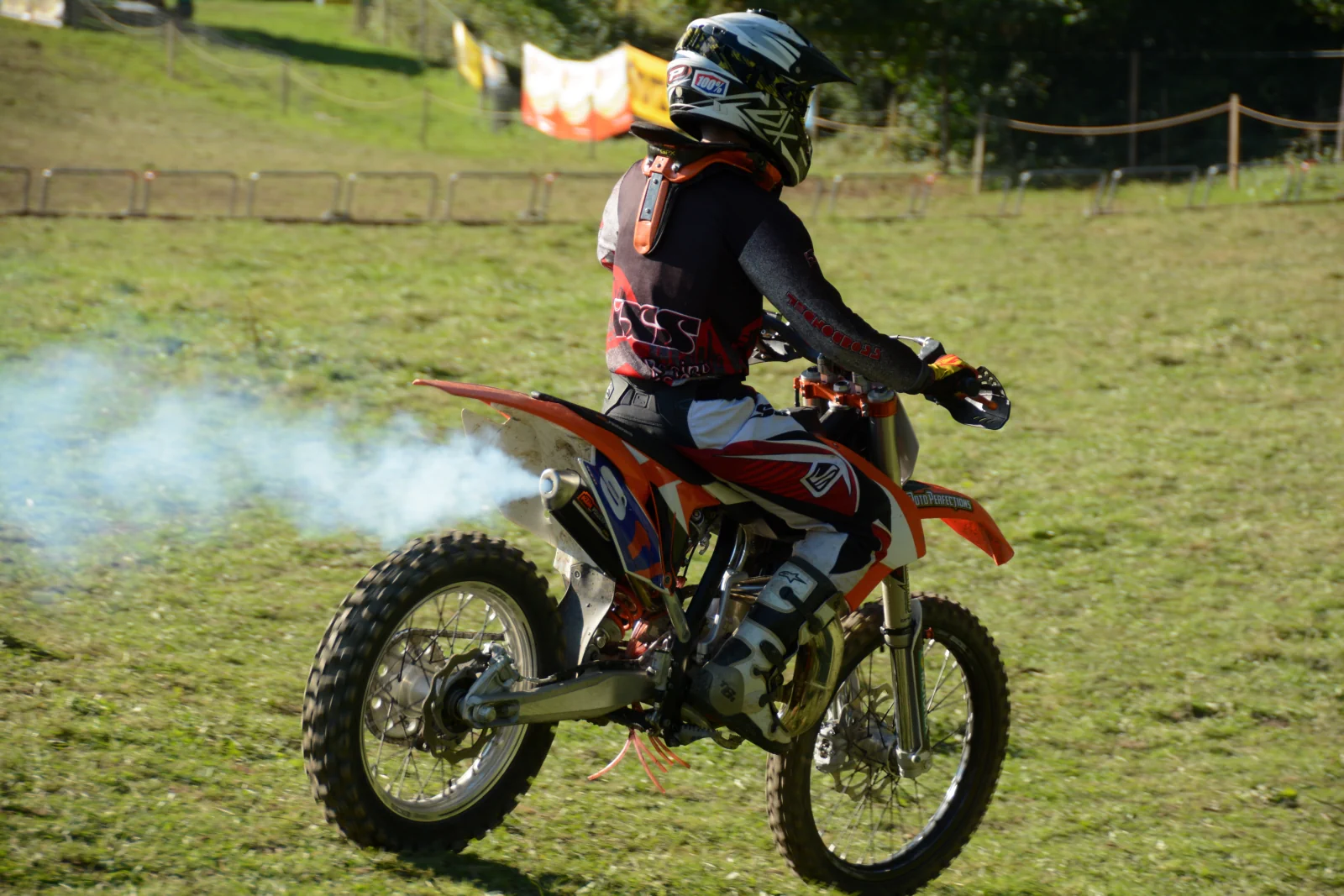 As they're mostly considered to be sports equipment, dirtbikes focus on maximum power with minimum weight, rather than ecological considerations or fuel efficiency. Dirtbikes are therefore often among the most environmentally polluting vehicles anywhere. Higher engine speeds and the highly efficient, but gas-guzzling two-stroke principle translate to more power, so you could cheekily say that dirtbikes are optimised for burning as much fuel as possible as quickly as they can. Consequently, they're often noted for the thick, blue plumes of exhaust gas shooting out of their tailpipes, with a noxious, nose-stinging smell due to the rich oil mixture they run on.
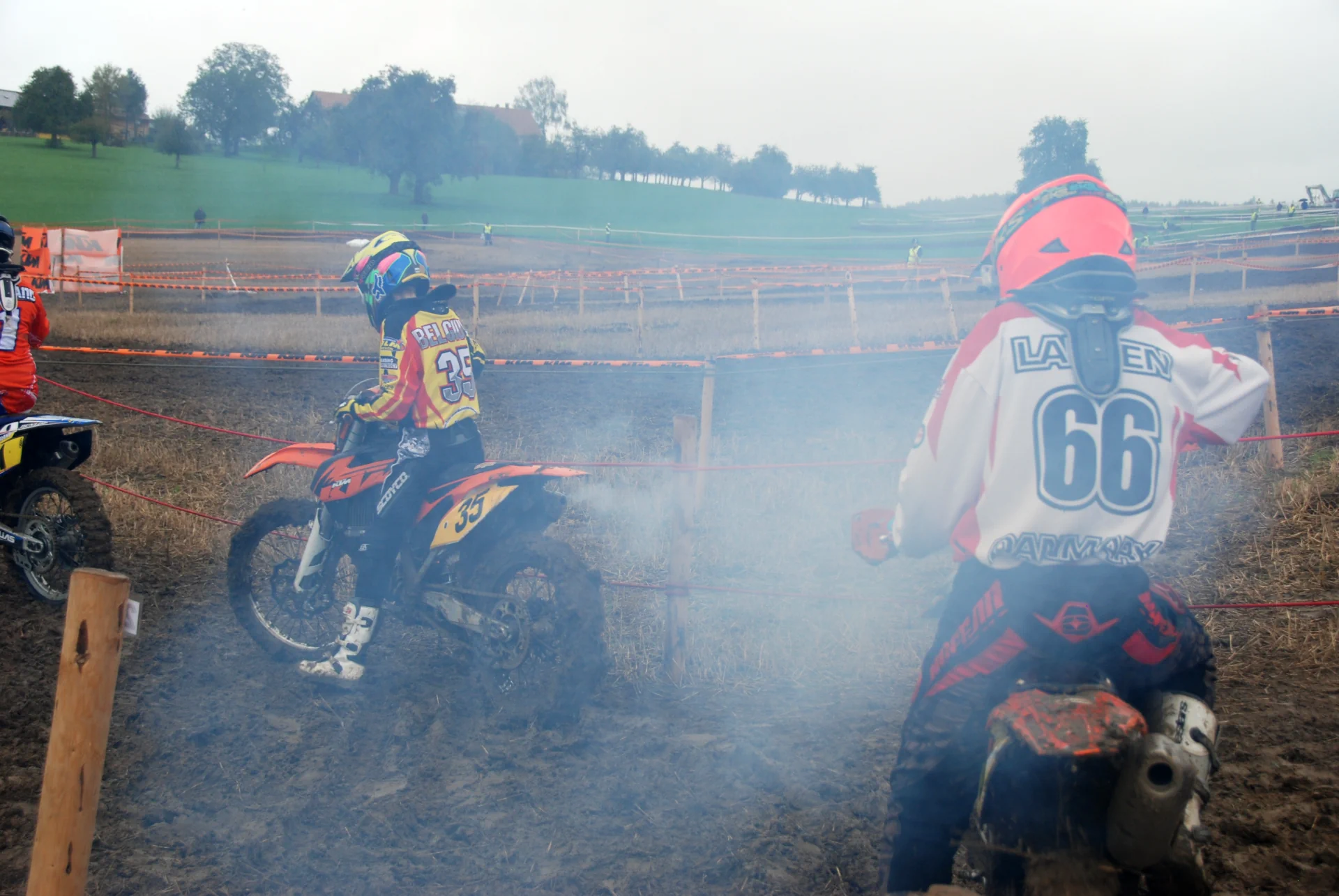
The exhaust emissions of a typical dirtbike are so massive that one passing you by in the street may well leave a pungent haze in the air for several minutes, while at motocross races with dozens of riders, large, lingering blankets of blue smog are a frequent sight, and a caustic stench of two-stroke exhaust tends to cover the track for the entire race day. Because the visible exhaust fumes are just the tip of the iceberg; the vast quantities of pollutants spread quickly and thoroughly. Many of them are not perceptible to the senses, while others might overwhelm you with a stifling stench of gasoline, oil, and exhaust, even in spots of seemingly clear air. They scratch in your throat, soaking clothes and hair.
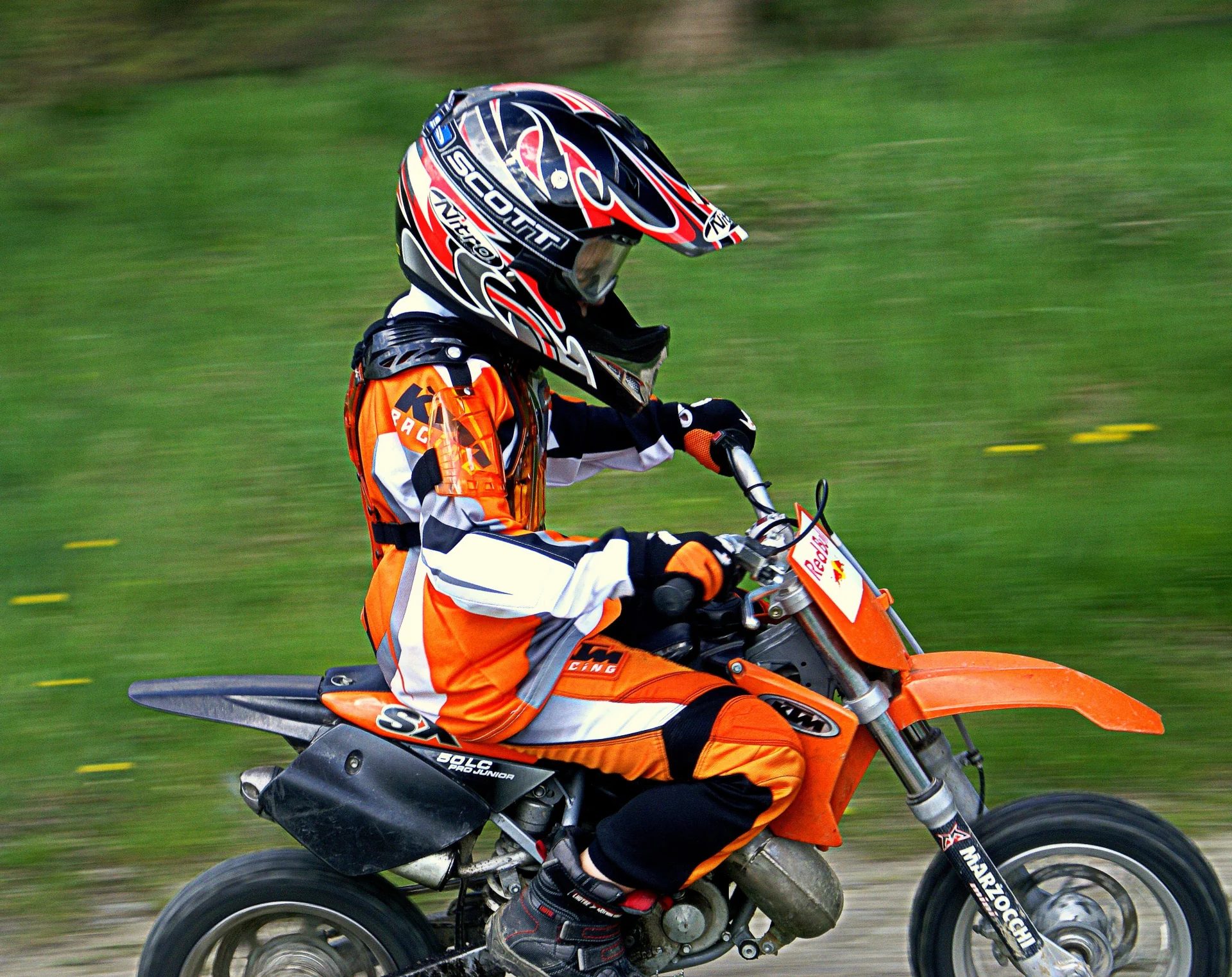
The various forms of dirtbike racing are among the most popular, but also most accessible grassroots motorsports, due to their relatively affordable equipment and lack of dependence on expensive infrastructure such as a paved racetrack. They're also very popular childrens' motorsports, with future generations already being inducted and placed on their own, miniature (but properly petrol-powered) dirtbikes from as early as three years old. Over the past couple of decades, motocross has also seen a massive increase in female participation, opening it up to become a sport for truly everyone, in spite of the pollution caused by its participants.
If you want to experience for yourself the environmental impact motorsports can cause just for some amusement, there's nothing as impressive as a visit to a Motocross race. There are few places where heedless air pollution is more visible, smellable, and palpable.
This page isn't finished yet.
What makes them particularly harmful?
-
 Because saving weight is so crucial for offroad vehicles, dirtbikes particularly often use the lighter two-stroke engines. In fact, dirtbikes are one of the main vehicle categories where two-strokes still make up a sizable share of new vehicles to this day. Due to their simple operating principle, two-stroke engines waste a lot of fuel. About a third of the fuel mixture is emitted out of the exhaust unburned. In addition, the oil that two-stroke engines require to be mixed into the gasoline for lubrication is burned as well, making the exhaust fumes more toxic and polluting than that of hundreds of four-stroke engines. The thick, sickly-blue clouds aren't deceiving: two-stroke exhaust fumes really are that bad for you and the environment.
 - As one of the most affordable and versatile vehicle classes, dirtbikes may just be the most popular recreational motor vehicles ever invented. Almost anyone can afford at least an old, used dirtbike, so a huge number of them are in use around the world.
- The fact that they're not meant to be ridden on public roads means that they don't need to pass road vehicle inspections. By consequence, regular dirtbikes don't have to fulfil any emission standards at all! With barely any incentive for manufacturers to reduce emissions, most two-stroke dirtbikes are allowed to, and do, blow as much poison into the air as they please.
- That their main area of use is offroad and on private property also means that in most cases, people can ride dirtbikes without a motorcycle license. Fatefully, one of the most polluting vehicles in the world is also one of the most easily accessible and affordable.
-
 As a vehicle designed for all-terrain use, dirtbikes are often ridden out in untouched nature and forests. This means that their toxic exhaust fumes are emitted directly into nature, in the immediate vicinity of plantlife and animal habitats, where they cause much more direct damage.
 - Similarly, whether it's expelled unburned with the exhaust, dripping from the tailpipe, or spilled while refuelling, oil and gasoline drips directly onto natural soil, poisoning plants and seeping into the ground water.
- Because of their exposed engine and exhaust pipe, dirtbikes are particularly noisy. The excessive levels of noise pollution they cause are especially harmful because, once more, it's being caused in the immediate vicinity of wildlife.
- When riding in natural landscapes tires tear up the ground, the compacted soil can absorb less water. Riding near or through water churns up sediment, which can disturb or even destroy aquatic life. In addition, gasoline and oil can spill into the water, with one drop being enough to contaminate hundreds of litres of water. At enduro events with water crossings, it doesn't take long for a clear creek to turn into a murky, brown sludge with a shimmering oil film.
- While some use them professionally when working out in rough terrain, most dirtbikes are used for sports and leisure. The overwhelming share of pollution from dirtbikes is caused by people for no other reason than that they enjoy the ride, the thrill of racing, or exploring the landscape on a motorised two-wheeler. But their own, personal, short-term fun poisons the breathing air of every other human being.
-
 Many sports using dirtbikes are also among the most popular types of youth motorsports. Manufacturers produce petrol dirtbikes and gear for children as young as three years old. Due to their light weight, they also preferably use two-stroke engines – so, shockingly, the youngest riders with their particularly delicate, little lungs are put on just the engines which spew out the most noxious, unhealthy exhaust fumes of all. Dirtbikes may be the most popular entry point for children into motorsports, recreational motoring, and petrol culture. Future generations are taught that burning fossil fuels for fun is completely normal and acceptable, getting them hooked on internal combustion engines for life and perpetuating the cycle of these environmentally devastating pastimes.
 -
 Dirtbike-based types of sport also seem to have a bigger than usual appeal among women, achieving one of the more even gender balances in all of motorsports. This means a much wider target audience and an even bigger number of people who start riding polluting dirtbikes for fun.
 - The free style of riding they allow, not being bound to roads and representing probably the most versatile off-road vehicle in existence, made them a commonly used element in pop culture and Hollywood movies (such as Motocrossed, Moto X Kids, Supercross, Charlie's Angels, Mission: Impossible – Dead Reckoning, Barry, or xXx). Presented as something inherently cool and rebellious, dirtbikes and motocross have gained an extremely positive and enticing image, brushing aside their devastating environmental impact and turning them into something young boys and girls get interested in, excited about, and wanting to ride themselves.


Comments